 Free delivery from 299 PLN
 Return up to 14 days
 b2b cooperation
 Payment by bank transfer 14 days for public entities



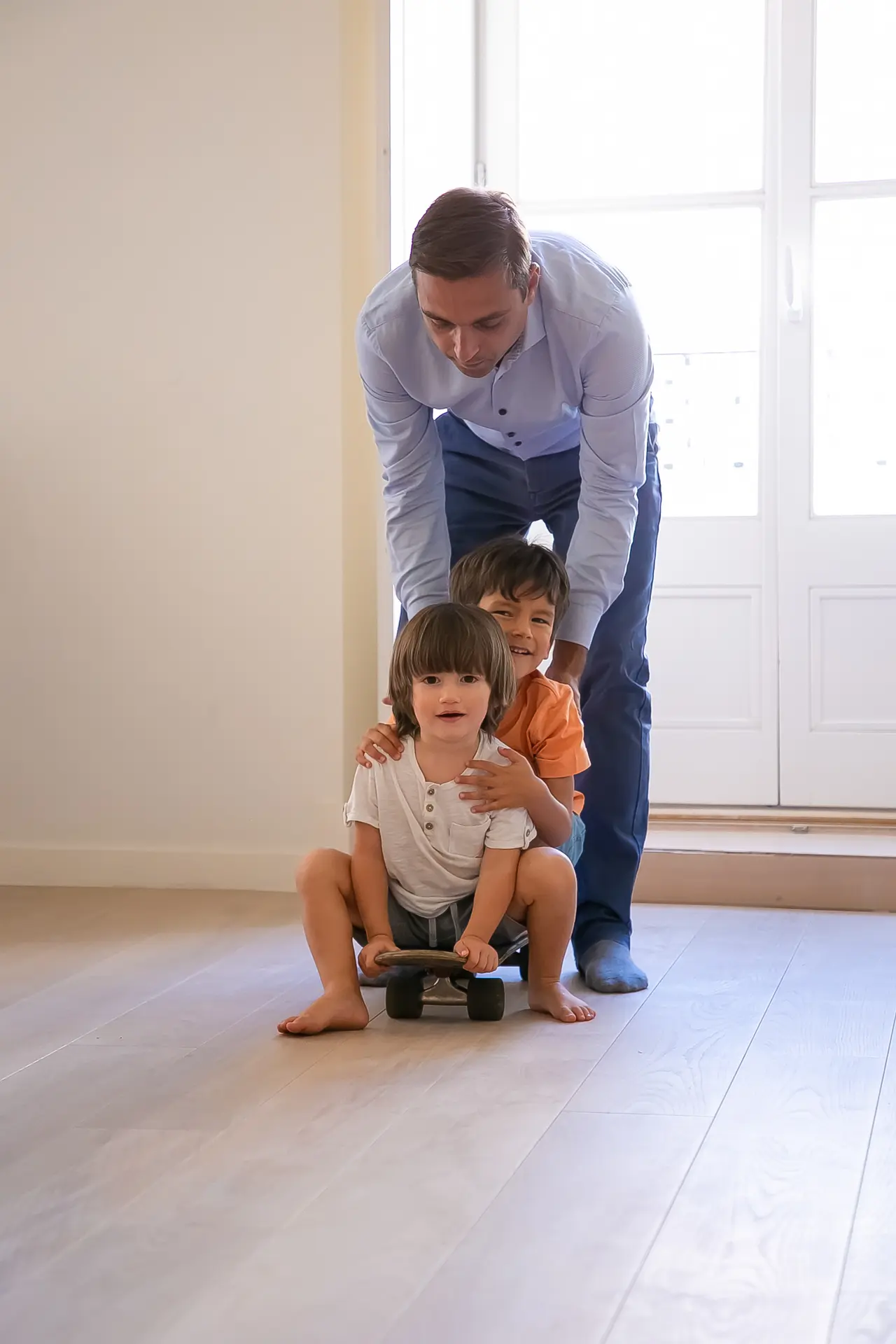
The importance of physical activity in preschool children's development
Playing with rehabilitation foam shapes is enjoyable while naturally involving the whole body. It also stimulates children's creativity. Our range includes many sets of foam shapes in different colours, suitable for building obstacle courses and imaginative structures. By lifting, moving and stacking the pieces, children practise motor skills and support their overall physical development and wellbeing. Foam rockers, colourful creative seats and educational foam sets are useful tools for supporting psychomotor development. We also recommend dry ball pools, which combine movement with rich sensory experiences.
Physical activity contributes to:
- healthy development of the body, its organs and systems;
- improved physical function and stamina;
- healthy posture and body structure;
- adaptation to the natural and social environment;
- disease prevention;
- mental and social development;
- therapy for many conditions and disorders.
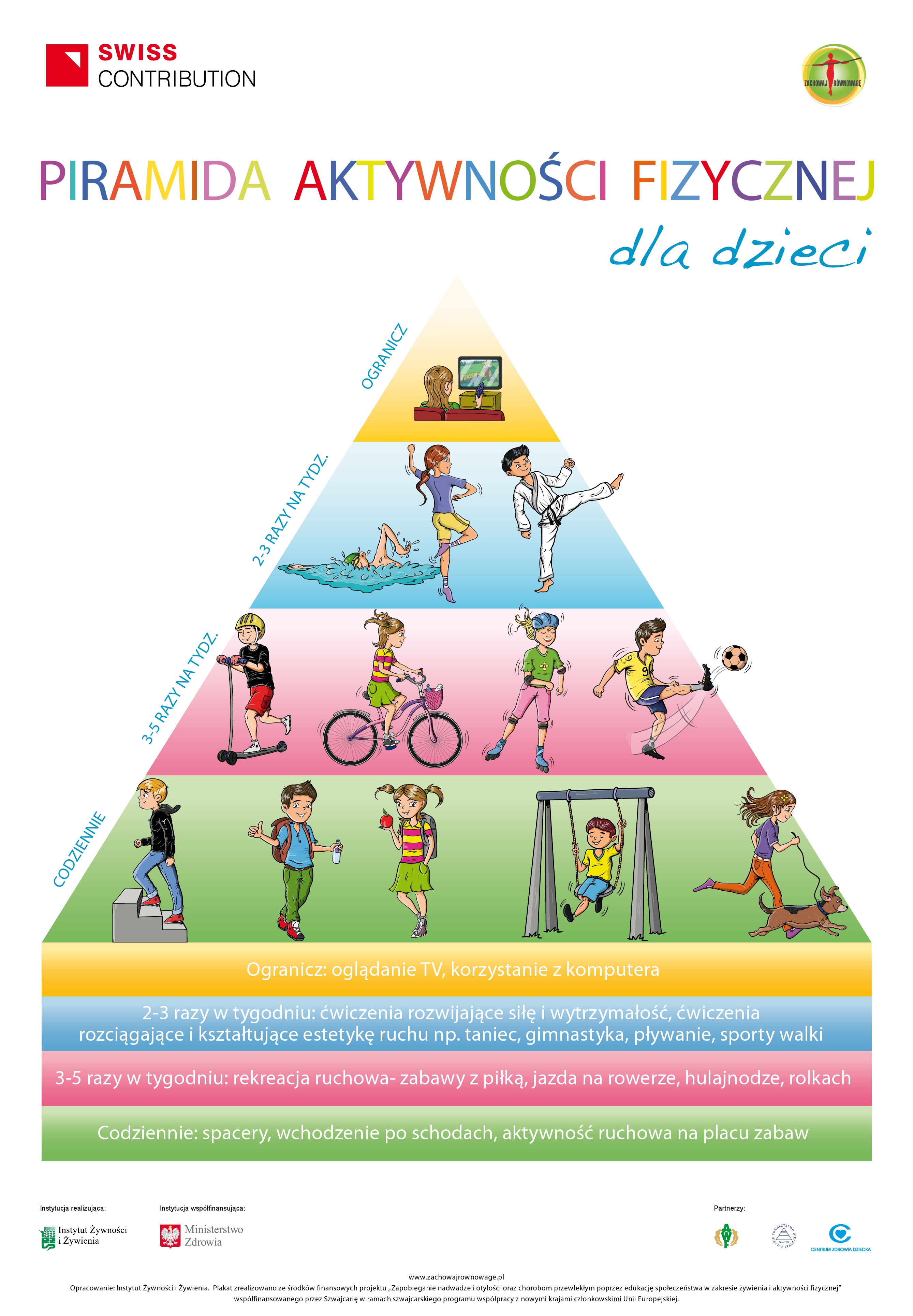
The healthy eating pyramid is familiar to many children and adults. Using a similar idea, specialists developed a physical activity pyramid for preschool and early primary-school children. It contains four levels.
The lowest and most fundamental level covers simple everyday movement: taking the stairs, walking to school or preschool, using a playground and walking the dog. Limiting lifts, escalators, car journeys and public transport where practical can help movement become a healthy habit for both children and adults.
The second level contains familiar activities such as cycling and ball games. Children should ideally enjoy these at least every other day. The aim is to raise the heart rate, with each activity period lasting at least 20 minutes.
The third level may include swimming, rhythmic and dance activities, martial arts or other organised sessions led by specialists. These are recommended at least two or three times per week. A child should be encouraged to choose a form of movement they enjoy. Such activities primarily develop strength and endurance while helping maintain muscle flexibility.
Passive forms of rest appear at the top of the pyramid. Some are necessary: the body needs enough sleep and appropriate recovery after exercise. However, spending too much of the day at a computer or in front of a television does not support health. Digital media are part of modern life, but adults should supervise screen time and establish sensible, consistent limits.
Preschool and early primary-school children still need adult supervision, including during playground activities. Shared physical activity—especially outdoors—is therefore valuable. It can benefit the health of both generations while strengthening family relationships.
References
- Białas L., Ruch bramą do nauki, Bliżej Przedszkola, 2009, no. 5.
- Fall-Ławryniuk M., Ciało i umysł lubią ruch, Bliżej Przedszkola, 2009, no. 6.
- Gniewkowski W., Wlaźnik K., Wychowanie fizyczne, WSiP, Warsaw 1990.
- Nadachewicz K., Rola nauczyciela w rozwoju ruchowym dziecka, Wychowanie w Przedszkolu, 2009, no. 10.
- Owczarek S., Gimnastyka Przedszkolaka, WSiP, Warsaw 2001.
- Pasternak A., Fit, czyli w dobrej formie. Kultura fizyczna przedszkolaka, Bliżej Przedszkola, 2010, no. 12.
- Wlaźnik K., Wychowanie fizyczne w przedszkolu, teacher's guide.